
Zhengda Pipe Manufacturing runs 10-million-ton annual shipments end-to-end on NiuX TMS
When you ship 10+ million tons a year across four bases, logistics isn't a cost center — it's a manufacturing input. Zhengda rolled out NiuX TMS + BMS as the end-to-end operating system: tender-to-settle workflow, plant-gate automation at every base, and orchestration with third-party carrier networks. One platform, four bases, one operating picture.
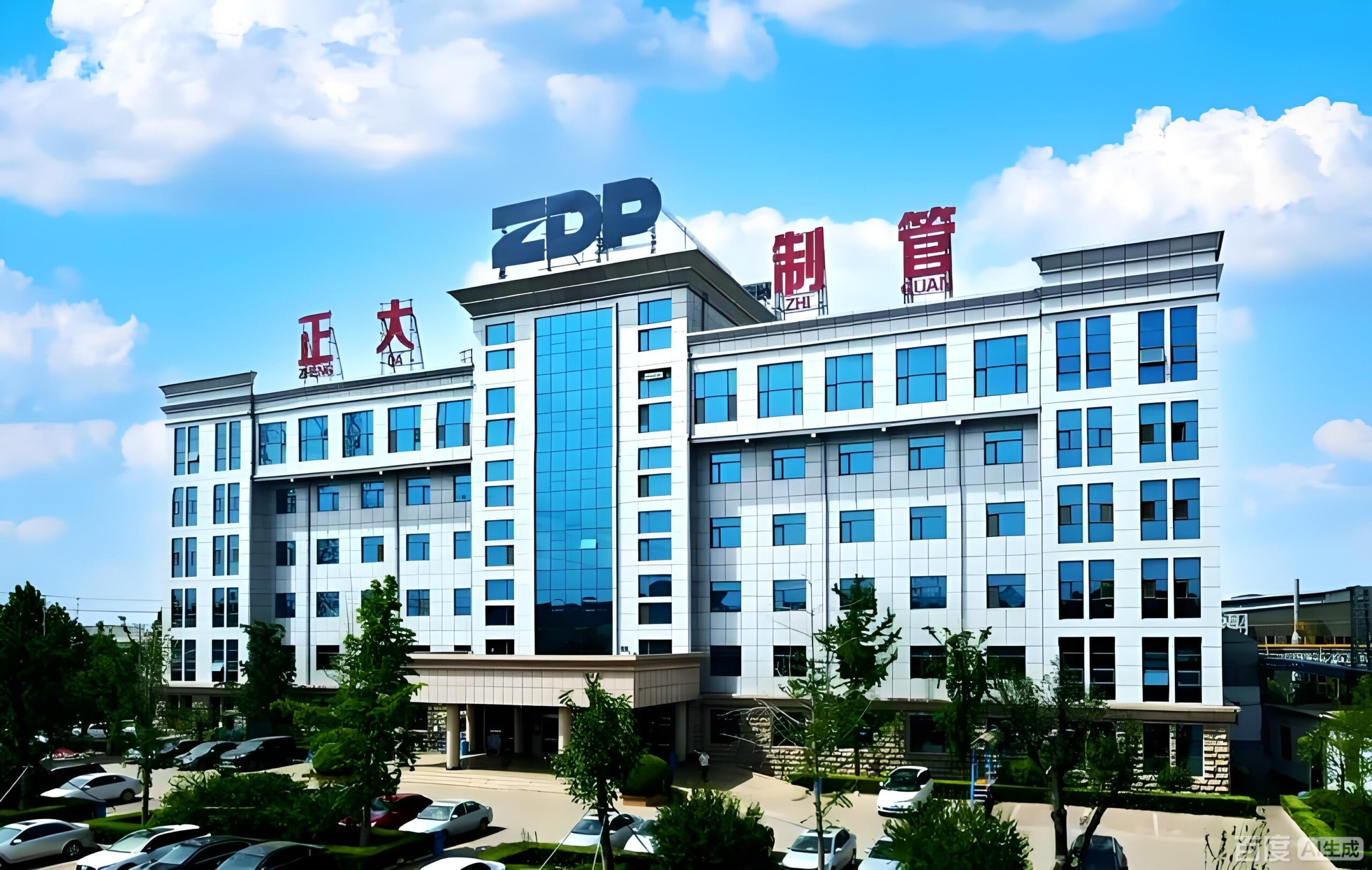
The operating problem at 10-million-ton scale
At Zhengda’s volume, a 1% inefficiency in logistics is a material hit to gross margin. Before NiuInfo, the group faced four structural issues that any large steel manufacturer will recognize:
- Multi-base coordination was manual. Four production bases in different provinces each ran their own dispatch operation — similar in shape, inconsistent in detail.
- Carrier capacity was sourced opportunistically. Tender, negotiate, execute, settle — four separate workflows across four separate tools, with limited price transparency.
- Plant-gate operations were a bottleneck. Trucks queued for hours at weighbridges. Paper-based check-in, manual weight recording, loading confirmation phone calls — every truck consumed minutes of human attention that didn’t scale.
- Settlement reconciliation was a month-end ordeal. Matching shipment events to carrier invoices across four bases, three pricing models, and dozens of carriers took finance teams weeks.
What NiuInfo deployed
NiuX TMS was rolled out as Zhengda’s group-wide transportation operating system — with BMS (billing & settlement) and plant-gate automation deployed alongside. Four capability blocks made the business case:
1. Unified group-level operations. All four production bases — Handan, Qian’an, Shanxi, Yunnan — dispatch from one system. Headquarters sees every base in one picture; each base retains its local workflow flexibility.
2. Full tender-to-settle closed loop. Carrier sourcing (open tender, invitation tender, capacity auction), intelligent task assignment, execution coordination, in-transit tracking, exception handling, and automated settlement between Zhengda and carriers — all inside one system. No more handoffs between procurement, operations, and finance tools.
3. Plant-gate automation across every base. The TMS integrates deeply with plant hardware: gate access systems, weighbridges, loading bays. Trucks are identified on arrival, queued intelligently, weighed without a human operator, loaded with confirmation capture, and released automatically. The result is a dramatic reduction in in-yard dwell time — and the elimination of a whole category of revenue leakage from weight manipulation and documentation errors.
4. NTOCC-style orchestration with external networks. Zhengda leverages third-party network-of-carriers (NTOCC) platforms for surge capacity and spot freight. The TMS integrates with major NTOCC platforms through standardized connectors, so outsourced freight flows through the same dispatch, tracking, and settlement workflow as dedicated capacity.
The architectural bet: one platform, many operating contexts
The biggest decision in a deployment like Zhengda’s is not technology — it’s how much to standardize. Too little, and you replicate the fragmented status quo in a shinier tool. Too much, and you destroy local know-how that took years to accumulate.
NiuInfo’s design principle — a configurable platform with a shared core and per-base rules — matches how manufacturing groups actually operate. Zhengda headquarters defines the enterprise layer (approved carriers, pricing ceilings, compliance rules). Each base configures its local nuances (gate policies, loading sequences, plant-specific SLAs) without forking the system.
That’s the reason a buyer this sophisticated — a dual top-500 enterprise with plenty of global TMS options — chose NiuInfo.
Why this matters for steel, cement, and bulk manufacturers
The Zhengda playbook is transferable to any multi-plant bulk manufacturer:
- Treat plant-gate automation as first-class, not an afterthought. The yard is where operational losses hide. A TMS that stops at dispatch and re-enters through settlement leaves the biggest cost pool untouched.
- Unify sourcing, execution, and settlement in one system. Every tool boundary is a reconciliation problem waiting to happen. The best TMS investments are the ones that collapse those boundaries.
- Buy a platform that respects your operating diversity. Your four plants are not identical, and forcing them to be will kill the deployment. Look for a TMS that scales from central policy to local practice without breaking.
Products mentioned