
01
Transportation-to-settlement on one chain
TMS + BMS + WMS handle dispatch, weighbridge, signoff, reconciliation, and settlement on a shared event stream — no manual re-keying between systems.
Industries · Energy, Mining & Bulk Commodities
For operators moving coal, ore, aggregates, cement, and energy feedstock — where weighbridge discrepancies, tiered pricing, and border-crossing compliance decide whether you make or lose money.
Bulk commodity operators run shipments in the tens or hundreds of millions of tons per year. At that volume, static rate cards and spreadsheet-based reconciliation stop working. NiuX TMS pairs transportation with weighbridge, billing, and settlement — on one data chain — for bulk, energy, and mining operations, including the corridors we know best (Mongolia–China, GCC heavy industry, Central Asia energy).
Challenges
Written from an operator's perspective, not a consulting framework.
Plant weight vs destination weight, moisture allowances, loading tolerances — without a formal reconciliation model, losses accumulate silently at every settlement cycle.
Stepped tariffs, floating prices, monthly-settled contracts, grade-based premiums, penalty clauses. Most TMS products hide from this; operators end up keeping pricing in Excel and the platform in name only.
Bulk movements frequently combine rail, road, barge, and port; each mode has its own documentation and settlement. Running four systems is expensive and brittle.
Mongolia–China coal corridor, GCC bonded heavy cargo, Central-Asia energy movements — each requires its own customs, tax, and carrier regime, often in multiple languages.
Playbook
Not feature bullets — the actual operating approach, encoded as platform capability.
TMS + BMS + WMS handle dispatch, weighbridge, signoff, reconciliation, and settlement on a shared event stream — no manual re-keying between systems.
Stepped / floating / monthly-settled / grade-premium / penalty-clause tariffs are expressed in the rule engine as configurable tables. Pricing changes are a configuration, not an IT ticket.
Rail, road, barge, and port share one shipment model. Mode-specific transitions — transshipment, load splitting, consolidation — are handled by configuration.
Mongolia–China coal documentation, GCC bonded movement, Central Asia multi-currency settlement — encoded as reusable templates. Each new corridor inherits, then tweaks.
Related on NiuInfo
Markets
This maps to our overseas pipeline — not to an aspirational map of "everywhere we could theoretically sell."
Coal and ore corridors with bilingual documentation, weighbridge-to-settlement reconciliation, and fleet-level compliance.
Heavy industry, energy feedstock, construction aggregates — typically with private-deployment and local-language requirements.
Multi-currency, multi-tax bulk movements where SaaS data-residency becomes a blocker.
Case studies
Each story includes a company profile for international readers who may not know the buyer by name.
Liaocheng Regional Supply Chain Initiative: Liaocheng is a major industrial and commercial hub in Shandong Province, China — one of the country's most significant bulk commodity and manufacturing regions. This project is a regional digitalization initiative uniting local industrial enterprises under a shared supply chain platform, designed to upgrade Liaocheng's competitiveness as an integrated trading and logistics center.
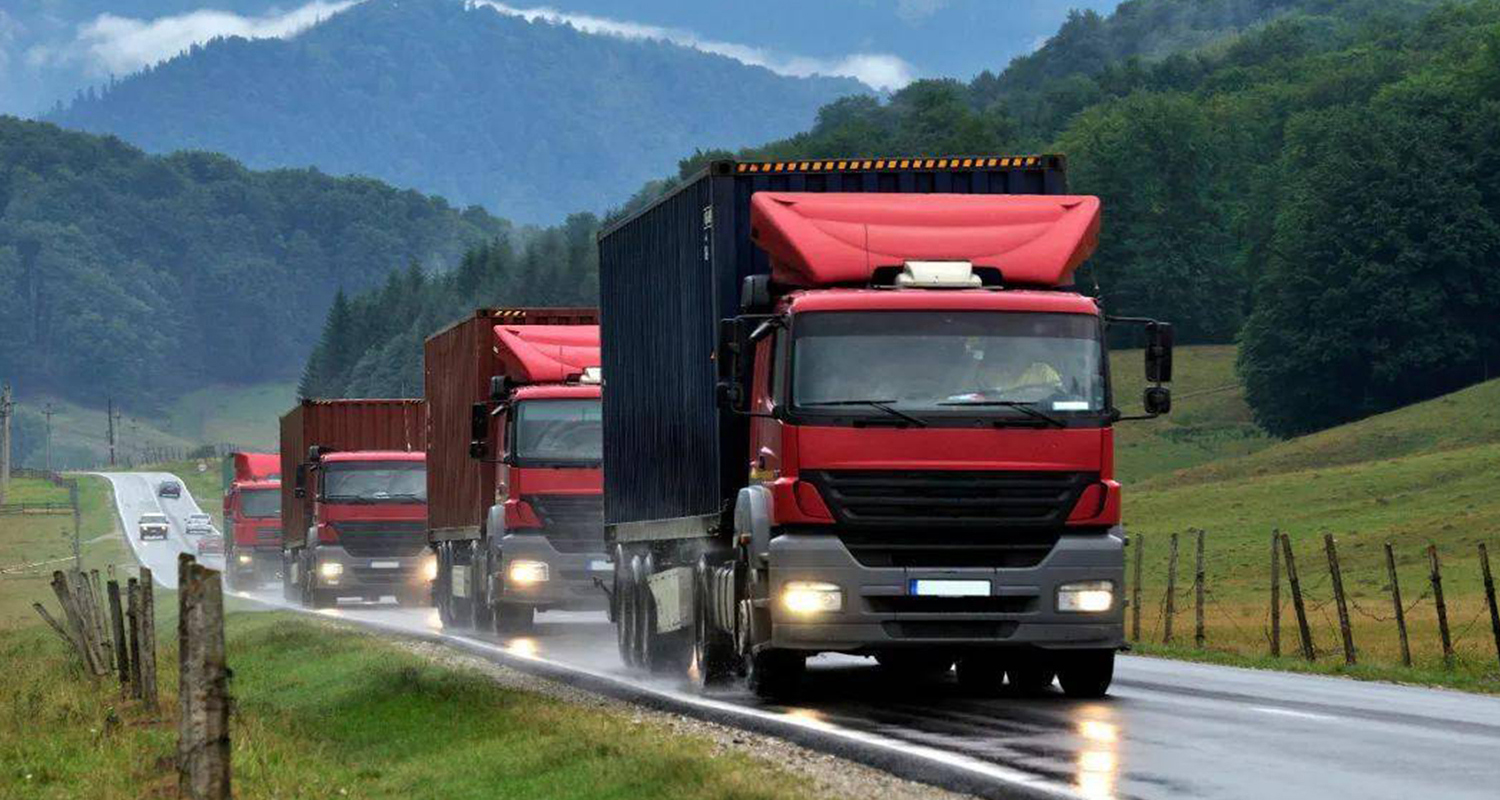
Anhui Construction Industry Group: Anhui Construction Industry Group (SSE: 600502) is a large state-owned enterprise listed on the Shanghai Stock Exchange. The group is ranked among China's Top-500 Enterprises, Top-500 Listed Companies, ENR Global Contractors 250, and China's Top-100 Contractors. Core business: construction, civil engineering, and infrastructure investment — with a massive logistics footprint moving construction materials, equipment, and bulk commodities across project sites nationwide.
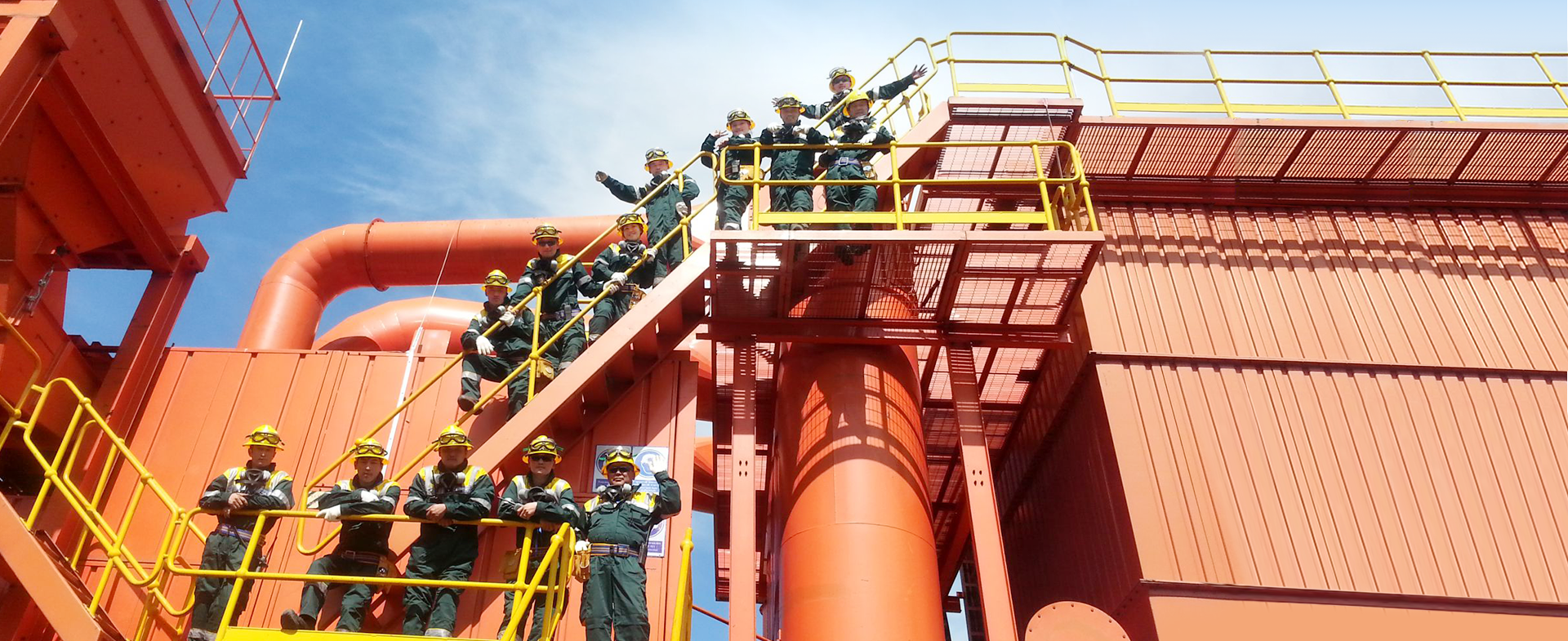
Mongolian Energy Corporation (MEC) and subsidiary MoEnCo LLC: Mongolian Energy Corporation (MEC) is a publicly listed natural resources operator. Its wholly-owned subsidiary MoEnCo LLC is the largest local operator at the Khushuut Coal Mine in western Mongolia — covering coking coal extraction, gangue separation, transport, and export. MEC's Chinese subsidiary is a major importer and processor of Mongolian coking coal for the Chinese market, addressing a strategic gap in China's coking coal supply chain.
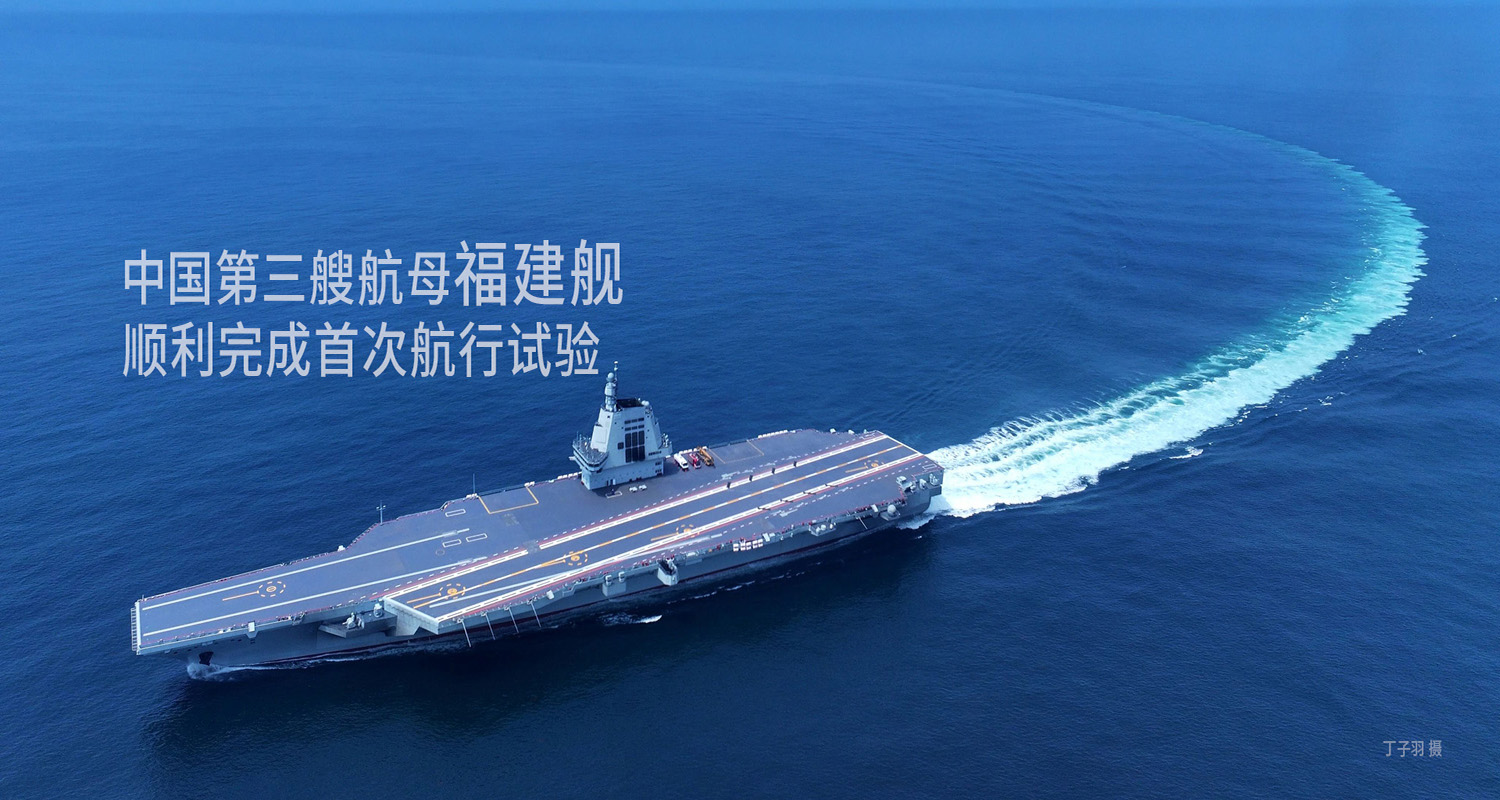
A Chinese state-owned shipbuilding research institute (name withheld): The customer is a research institute inside one of China's largest state-owned shipbuilding groups — a global-top shipbuilder active in commercial shipbuilding certified to every major classification society, offshore engineering equipment, and marine engineering R&D. The institute itself concentrates on engineering research, prototype builds, and specialized equipment logistics across the group's facility network.

A Global Machinery 500 energy equipment group (name withheld): The customer is a large Chinese energy equipment group ranked among the world's Top-500 Machinery Enterprises (#228), China's Top-500 Enterprises, and ENR Global Top-100 Contractors for four consecutive years. The group operates across 24 countries with three publicly listed subsidiaries. Core business: power transmission and transformation equipment, polysilicon for new materials, large-scale aluminum electronics exports, and utility-scale solar/wind EPC integration. Annual transformer production and PV EPC installation both rank among the global leaders.
A China Manufacturing 500 building materials group (name withheld): The customer is a century-old Chinese building materials enterprise that has grown into a globally integrated industrial group. Operations span cement, concrete, aggregates, environmental technology, equipment manufacturing, engineering, and new building materials — with 270+ subsidiaries across a dozen Chinese provinces and overseas. The group is ranked among China's Manufacturing Top-500 and Fortune China 500 (Top-10 in ROE) and valued at RMB 70.3B in the 2021 China 500 Most Valuable Brands list (#80). Landmark projects supplied include Gezhouba Dam, the Jingzhu Expressway, and the Three Gorges Project.
Other industries
15-minute scoped conversation beats a 40-slide vertical deck.