
01
One canonical data model for all four flows
Same order / shipment / dispatch model carries inbound, in-plant, plant-to-plant, and outbound. Differences between flows are business switches, not separate branches of the product.
Industries · Manufacturing & Cross-border
For global manufacturers running multi-plant operations and cross-border corridors — including the wave of Chinese manufacturers relocating production into Southeast Asia.
Multi-plant manufacturers carry four distinct transportation patterns — inbound, in-plant, plant-to-plant, outbound — that typically live in four different systems. NiuX TMS puts them on one model, then adds cross-border logic (HS codes, customs documentation, bonded movements, FX-settled freight) for the corridors that matter most to overseas operators.
Challenges
Written from an operator's perspective, not a consulting framework.
Inbound, in-plant, plant-to-plant, and outbound are usually run on separate platforms. Production cadence and transportation rhythm rarely align; operators rebuild spreadsheets to reconcile them.
Tier-1 and Tier-2 suppliers located in a different country, bonded zones, multi-currency freight contracts, HS-code and ADR classification — the standard manufacturing TMS simply wasn't designed for this.
Different plants — often different continents — run different inbound models. Encoding that in one system without forking the platform is hard.
Multiple channels (distributors, direct-to-retail, export) need one consistent settlement surface; otherwise Finance loses visibility.
Playbook
Not feature bullets — the actual operating approach, encoded as platform capability.
Same order / shipment / dispatch model carries inbound, in-plant, plant-to-plant, and outbound. Differences between flows are business switches, not separate branches of the product.
OMS integrates with ERP work orders and production schedules; dispatch rules are triggered by workstation, shift, and material readiness. Event engine raises proactive alerts for missed kitting or overdue inbound.
HS codes, customs documentation, bonded movements, multi-currency freight, and partner carriers are templated per corridor. Adding a new country is a configuration exercise, not a development project.
Bridge clearance, permit filings, ADR / UN-number matching, and escort vehicle pairing are encoded in the rule engine. Non-compliant loads cannot be dispatched; compliance evidence is captured automatically.
Markets
This maps to our overseas pipeline — not to an aspirational map of "everywhere we could theoretically sell."
Vietnamese, Thai, Indonesian, Malay manufacturing corridors — especially Chinese OEMs relocating Tier-1 production.
Mature multi-plant manufacturers standardizing transportation on one platform across subsidiaries.
Heavy-industry projects (machinery, energy equipment) moved as oversize cargo under GCC permit regimes.
Case studies
Each story includes a company profile for international readers who may not know the buyer by name.
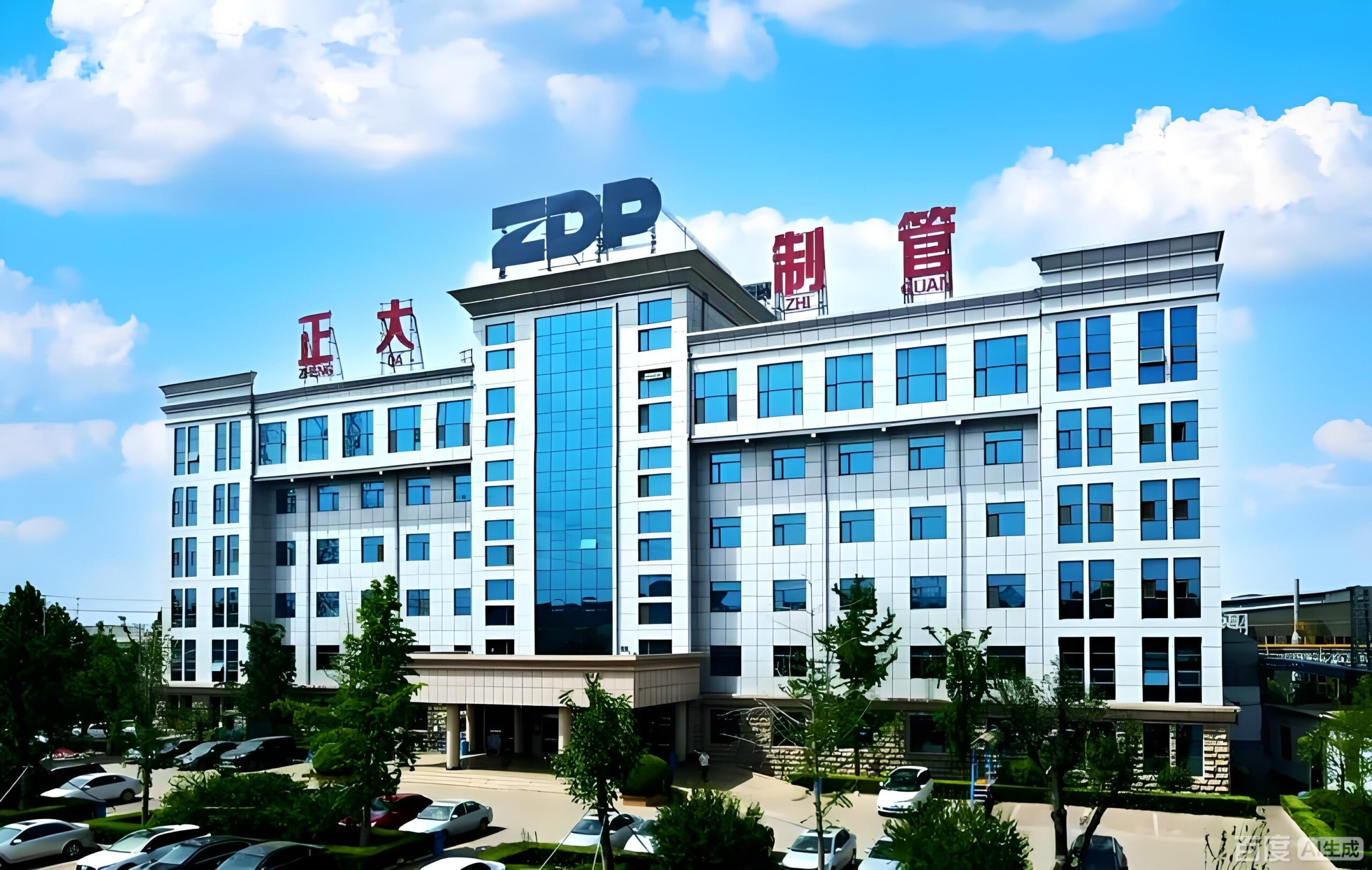
Handan Zhengda Pipe Manufacturing Group: Handan Zhengda Pipe Manufacturing Group is a top-500 Chinese manufacturer and a top-500 private enterprise, specializing in welded steel pipe products. The group operates four major production bases across Handan, Qian'an, Shanxi, and Yunnan with a combined annual production capacity exceeding 10 million tons. Products ship domestically and to export markets worldwide.
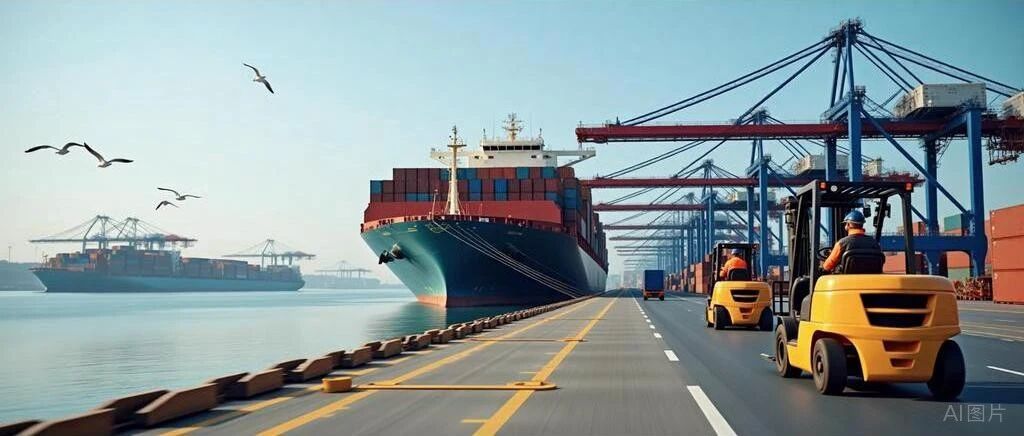
A Top-500 listed paper & pulp manufacturing group (name withheld): The customer is a major Chinese paper and pulp manufacturing group — a China Top-500 Enterprise and one of the country's Top-100 listed companies, with operations across dozens of countries and multiple production bases covering pulp, paper, and packaging. Their supply chain spans raw material inbound, inter-plant production flows, and finished goods distribution to global markets. Name withheld at the customer's request.

Fortune Global 500 energy & infrastructure group (name withheld): The customer is a Fortune Global 500 enterprise active in energy, infrastructure, and international trade. Their western overland corridor connects manufacturing and trading hubs in China with markets across Central Asia and Europe — one of the most strategically important and operationally complex freight lanes on the Belt and Road network. Name withheld at the customer's request.
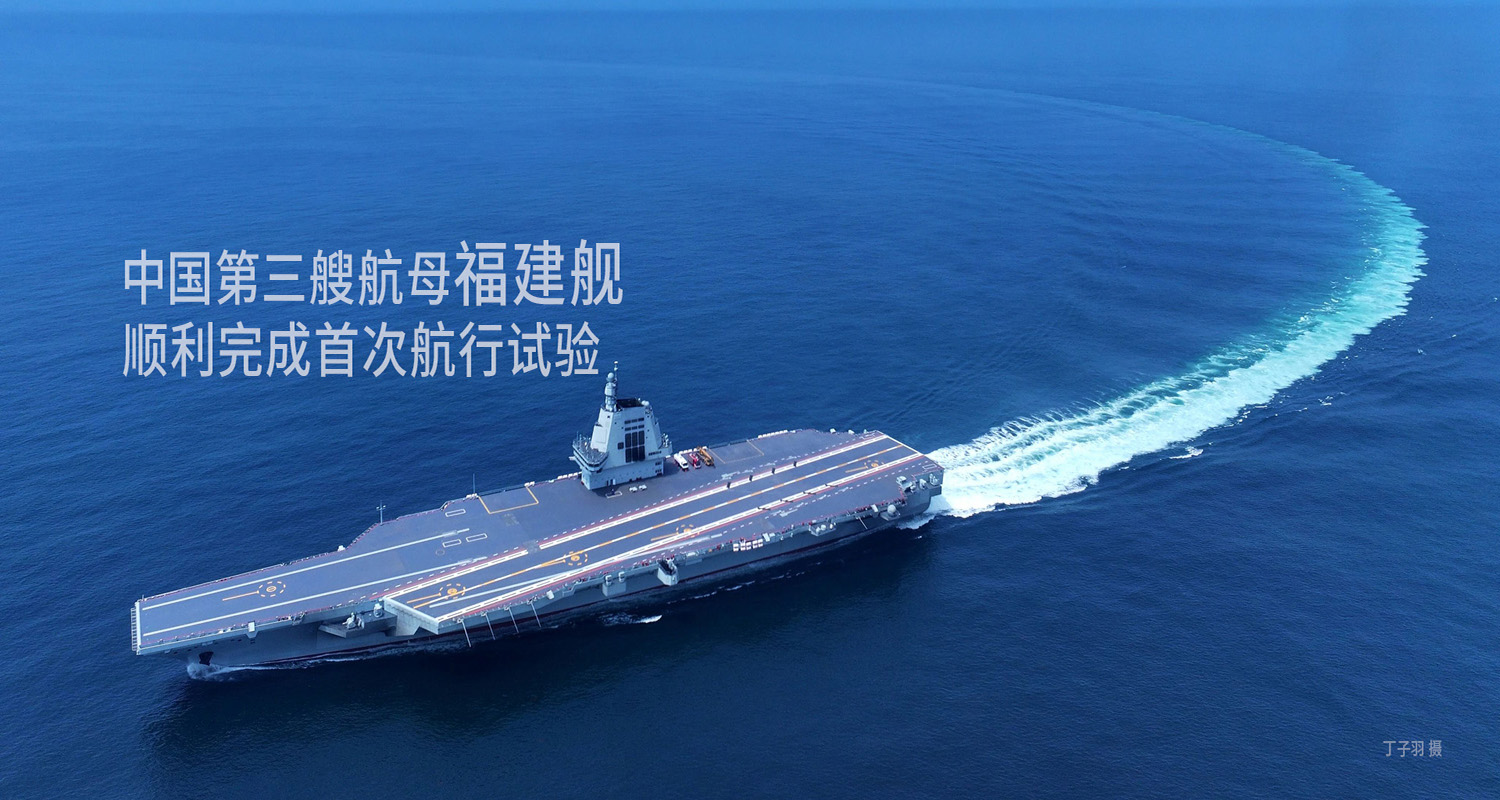
A Chinese state-owned shipbuilding research institute (name withheld): The customer is a research institute inside one of China's largest state-owned shipbuilding groups — a global-top shipbuilder active in commercial shipbuilding certified to every major classification society, offshore engineering equipment, and marine engineering R&D. The institute itself concentrates on engineering research, prototype builds, and specialized equipment logistics across the group's facility network.
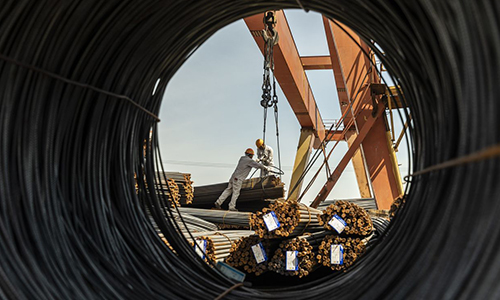
A publicly-listed Chinese steel group (name withheld): The customer is a nationally-recognized publicly-listed Chinese steel group — one of the long-standing operators in China's domestic steel market with a substantial production footprint and mature downstream distribution network. This engagement is a strategic consulting project (not a software deployment), covering group-level digital freight business feasibility study, commercial model design, tax planning, organizational design, system blueprint, and capital-market path.
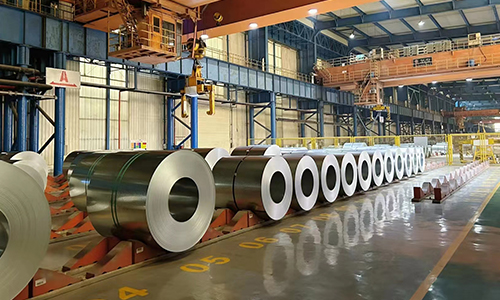
A China Manufacturing 500 integrated steel manufacturer (name withheld): The customer is a super-large privately-held Chinese steel group integrating sintering, ironmaking, steelmaking, hot-rolling, cold-rolling, galvanizing, coking, natural gas, energy recovery (residual pressure, gas, and heat), and wastewater treatment in a fully-integrated operation. The group is consistently ranked among China's Top-500 Enterprises, Manufacturing Top-500, and Private Enterprise Top-500. Logistics footprint: 8,000 daily truck-trips and growing — across raw material inbound, in-plant production flows, outbound finished steel, and integrated port-water-road modal transfer.
Other industries
Ten-million-ton-scale dispatch · weighbridge reconciliation · cross-border mining corridors.
Cold chain · traceability · channel settlement · GxP-grade audit.
Carrier organization · network fulfillment · compliance as the platform floor.
15-minute scoped conversation beats a 40-slide vertical deck.